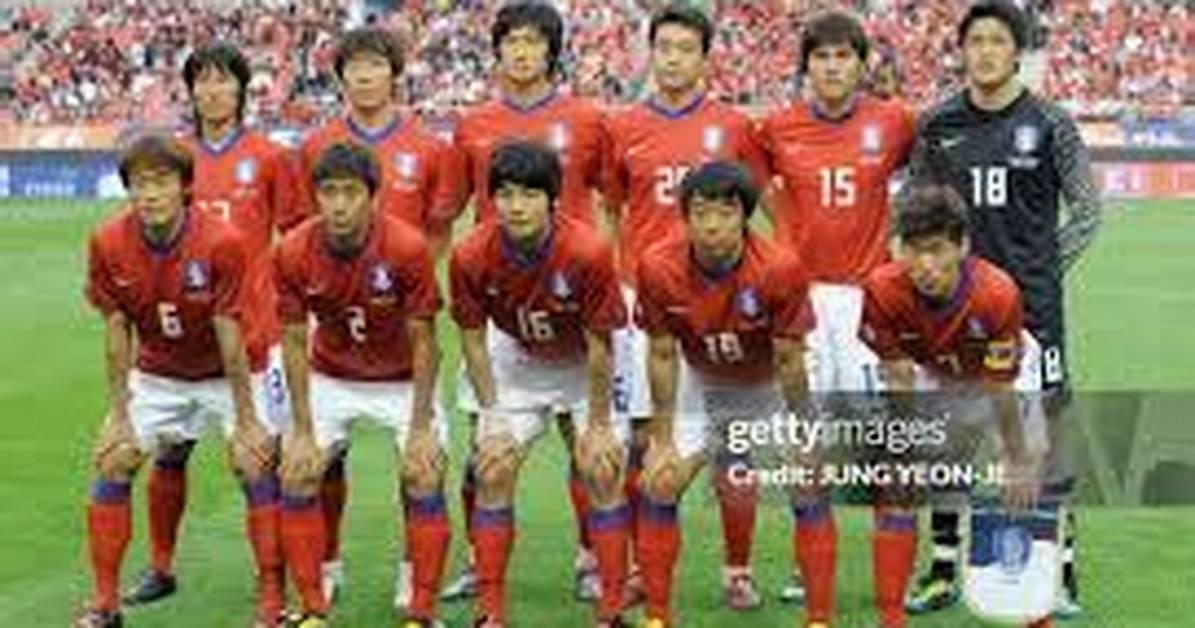
South Korea football has emerged as a pivotal part of the country's culture, showcasing not just athletic talent but also a deep-rooted passion among its citizens. This article delves into the rich history, current trends, and significant achievements of South Korean football, reflecting its impact on the global stage.
The sport has evolved dramatically over the years, transforming from a local pastime into a major contender in international tournaments. With the K-League's establishment and the national team's participation in the FIFA World Cup, South Korea has positioned itself as a formidable force in Asian football.
In this comprehensive exploration, we will cover various aspects of South Korean football, including its historical context, key players, and the future of the sport in the nation. Whether you are a football enthusiast or just curious about South Korea's football scene, this article aims to provide you with valuable insights.
The History of Football in South Korea
South Korea's journey in football began in the late 19th century with the introduction of the sport by American missionaries. The first recorded match took place in 1882, and since then, the sport has gradually gained popularity.
Early Development
Initially, football was played in schools and universities, and the first football club, Seoul FC, was established in 1945. The establishment of the Korea Football Association (KFA) in 1956 marked a significant turning point, as it paved the way for organized competitions and the national team.
The Birth of the K-League
In 1983, the K-League was founded as South Korea's professional football league, further enhancing the sport's popularity. The league has produced numerous talented players who have gone on to achieve international success.
The K-League: South Korea's Premier Football League
The K-League stands as the cornerstone of South Korean football, featuring a competitive array of teams that vie for the championship each season. With a strong fan base and significant media coverage, the league has played a crucial role in nurturing local talent.
Structure and Format
The K-League consists of 12 teams that compete annually, with a promotion and relegation system in place. Each season, teams engage in a rigorous schedule of matches, culminating in the playoffs to determine the champion.
Impact on Local Talent
Many players from the K-League have gone on to represent South Korea on international platforms, showcasing the league's ability to develop homegrown talent. Notable clubs include FC Seoul, Jeonbuk Hyundai Motors, and Ulsan Hyundai, which have consistently performed well both domestically and in Asian competitions.

